Before-and-after photos often decide where someone books a lip filler appointment. A strong gallery can reassure you that a clinic delivers natural lip enhancement, good symmetry, and consistent technique. A weak gallery can hide swelling, clever lighting, or even digital retouching. I have reviewed thousands of sets over the years, trained practitioners on photographic standards, and advised patients who felt surprised by their outcomes because the photos they trusted didn’t tell the whole story. With a trained eye, those same images can become a reliable guide.
What trustworthy photos usually share
The best lip filler before-and-after images look boring at first glance, in the way good clinical records tend to look. The head position does not change much between frames. The lighting matches. The expression is neutral. The background is plain. Makeup, gloss, and filters are minimal or absent. Each pair isolates the lips and the lower third of the face so you can judge lip contour, projection, and hydration. Consistency helps you compare shape rather than photography tricks.
Two angles typically matter most for lip injections. A straight-on view lets you judge vertical height, cupid’s bow definition, and left-right symmetry. A profile or three-quarter view shows projection and balance relative to the nose and chin. If a gallery only shows straight-on images, you cannot evaluate how far the lips come forward, which is crucial for lip shaping filler. A profile that reveals the philtral columns and the subnasale region makes microchanges in projection visible.
Look for stable camera distance. If the “after” is taken closer, the lens exaggerates size through perspective. The same is true when a clinician crops the after-image tighter. Increased size can be an artifact of composition, not actual lip volumizing treatment.
Lighting can fake or flatten volume
Light tells you where a lip starts, peaks, and fades into skin. A ring light placed close to the face throws a bright circular highlight across the vermilion, which makes lips look glossier and fuller even before any lip enhancement. Soft, even lighting from the front can erase fine vertical lip lines and blur boundaries. Side lighting, coming from above the cheekbone, deepens the shadow under the lower lip and makes projection look dramatic.
A reliable gallery uses the same light source, height, and intensity between frames. You should see familiar clues: pores rendered with similar clarity, a consistent catchlight in the eyes, and no dramatic change in shadow under the nose. If the before shots look flat and gray, and the after shots sparkle with high-contrast specular highlights, give more weight to the anatomy than the shine. Glossy balm over fresh hyaluronic acid lip filler will amplify curvature, but the product did not produce the gloss.
Makeup, balm, and skin prep matter more than you think
I ask clinics to keep lips clean in both frames. Concealer around the vermilion border, lip liner, or tinted balm can sharpen edges temporarily and mimic the effect of lip definition filler. Foundation matched to the skin and applied right up to the lip line narrows the vermilion and makes the after look more sculpted. Exfoliation before a photo will remove the dry, matte look that often makes lips appear thinner. Hydration plumps the superficial layer slightly and smooths lip lines, which can look like a minor result of a lip plumping treatment even before any needle touches the skin.
Makeup is not cheating when the goal is a beauty shot, but if you are comparing technical results from a lip filler procedure, you want minimal interference from cosmetics.
Expression and mouth position change everything
Watch for tiny differences. In a relaxed, lips-together expression, the upper lip sits lower and covers more of the top teeth. If the patient parts the lips in the after image, a fraction of upper tooth show can lift the upper lip and make it look taller. If the patient presses the tongue to the roof of the mouth, the mouth floor firms up and the lower lip tips forward slightly. Smiling elevates the upper lip and flattens the cupid’s bow. Pursing compresses volume and deepens vertical grooves.
A neutral pose with lips gently touching tells you the most about inherent volume and lid-to-lip balance. If the after is slightly open or the chin is tucked, reduction in double-chin shadow can create a false sense of increased projection. One clinic I advised had great technique but inconsistent instructions. Once they standardized “gently closed, no smile, no strain,” their results looked more honest and, oddly enough, more impressive because small refinements became easier to see.
Swelling stages and timing hide, then reveal, the truth
Lip filler swelling stages follow a familiar arc. In the first 24 to 48 hours after lip injections, lips can balloon by 20 to 50 percent, particularly in the upper tubercles. This is tissue response, not final volume. Bruising peaks around day two. By day five to seven, much of the puffiness and water retention settles. Hyaluronic acid integrates with tissue over two weeks, which is when texture and hydration benefits look more even. At four to six weeks you see the truest lip filler results in most cases.

If a gallery only labels images “immediately after,” take the shape with a grain of salt. Sharp borders and extra vertical height often soften by week two. If the clinic consistently shows next-day photos without follow-up, you might be judging swelling. I like galleries that mention timing, for example “2 weeks after 1.0 ml” or “3 months post lip filler touch up.” Stating timing helps you calibrate expectations about downtime, healing time, and maintenance.
Dosage and product type shape what you see
Small amounts go far in the lips. Most first-time treatments use 0.5 to 1.0 ml of hyaluronic acid lip filler. Very thin lips or significant asymmetry sometimes need 1.5 ml in stages, not all at once. Natural lip filler outcomes often come from 0.6 to 0.8 ml placed with restraint along the vermilion border for definition and in the body for softness. A jump to 1.2 ml can change not only size but the way light wraps the mouth, which reads as a makeover rather than a subtle enhancement.
Different brands and rheologies behave differently. A soft, low G’ product designed for hydration and fine lip lines will drape and smooth, not project much. A slightly firmer gel supports peaks in the cupid’s bow and mild projection. A very cohesive product used for structural work can create crisp borders, but it also carries a higher risk of visibility in thin skin. When a gallery lists the filler type, it allows you to match your goals, whether you want lip shaping filler for the border or a lip volumizing treatment for the body.
Temporary lip filler made from hyaluronic acid is the norm because it is reversible with hyaluronidase. Long lasting lip filler claims vary. Longevity depends on metabolism, product choice, placement depth, and motion. Many patients see nice results for 6 to 12 months, sometimes longer for gentle hydration-focused placements.

Technique and placement show up in the details
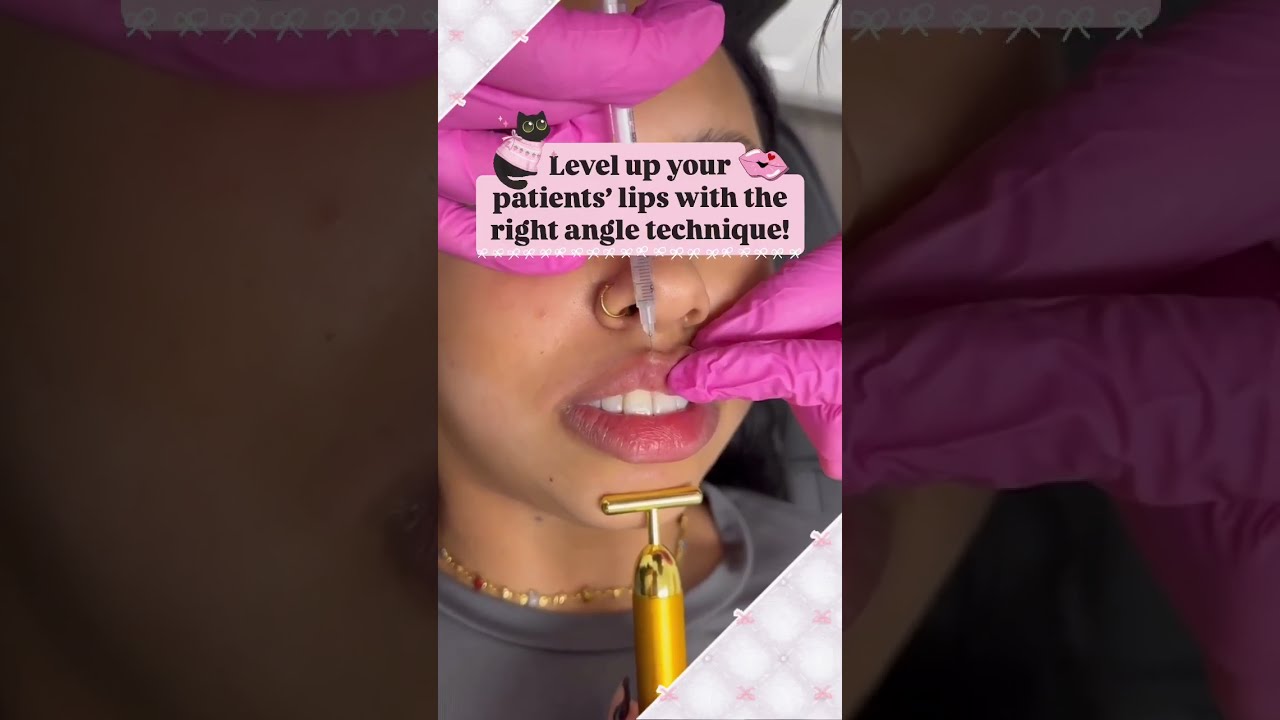
Details give away the method. Even, symmetrical tubercles with smooth transitions suggest small boluses placed deliberately. Crisp philtral columns point to a bit of definition filler along those ridges. Blanched white areas immediately after treatment reflect transient vasoconstriction from lidocaine and epinephrine or superficial placement that tenses the skin. Tiny entry points at the lip border suggest a cannula technique, which reduces bruising but can be less precise for crisp edges. Multiple microbleeds along the vermilion border indicate needle work, which can be great for detail but may bruise more.
Trend terms pop up in marketing, such as “Russian lip” techniques that aim for vertical lift and a flatter profile. They look striking in next-day photos, then often soften at two weeks. Decide whether you prefer a gentle, rounded tubercle pattern, a stronger cupid’s bow, or a more level silhouette. The best lip filler specialist will choose technique to support that goal, not force a signature look on every face.
Skin tone, camera type, and image compression
Melanin-rich lips reflect light differently than pale lips. Highlights are subtler, and contrast curves in photo editing can change perception of volume. A reliable set should not crank contrast so high that lip edges become halos. Phone cameras apply sharpening and compression that can smear texture, hide needle marks, and smooth lip wrinkles. A DSLR with a macro lens reveals pores, vellus hair, and fine vessels. Neither is right or wrong. What matters is consistency across before-and-after frames.
Beware of ultra-smooth after photos where no pores are visible and vertical lip lines have vanished completely. That look often comes from blurring filters, not only from a lip plumping injection.
Cropping, retouching, and tells of digital manipulation
I do not expect most clinics to be expert photographers, but a professional should avoid heavy retouching in clinical galleries. Look at the background first. Wavy door frames or curved tiles around the mouth suggest a warp tool used to nudge edges. Repeating texture, like cloned pores, hints at a blur brush. Abrupt disappearance of moles or freckles is another giveaway. Over-whitened teeth reflect strong editing too. If the cheek pores and lip texture look identical between frames but the lip border suddenly becomes razor sharp, something other than filler may be at work.
There is one legitimate kind of cleanup: removing a spot of dried blood from an injection point to avoid alarming viewers. That edit should not change contours or shadows.
Anatomy and age set the ceiling for change
A 22-year-old with thick vermilion and strong tubercles will show dramatic lift from 0.8 ml. A 48-year-old with thin, sun-exposed lips and deeper perioral lines may show a smaller change from the same amount, but the benefit in hydration and lipstick behavior can be significant. Smokers and those with chronic mouth breathing often have more vertical lines and a drier surface. A lip filler for aging lips can soften the bar-code lines at rest, yet dynamic lines remain because of muscle pull.
Asymmetry is common. One side of the upper lip may sit higher or the cupid’s bow may be blunter. A skilled practitioner can balance this with targeted lip injections, but perfection is rare. I prefer galleries that show a patient with a similar baseline to yours and label the plan, for example “correction of left-right asymmetry, 0.7 ml, two sessions.” Staged work expands tight tissue gradually and looks more natural long term.
Captions that earn trust
Strong captions do simple things well. They mention amount in milliliters, timing post-procedure, any combination work such as a lip flip with neuromodulator, and the filler family used. They avoid vague claims like “best lip filler” or “dramatic results” without context. If a caption mentions “lip filler for hydration” and the after shows more sheen and less lipstick bleeding rather than a huge volume boost, that honesty builds credibility.
Pricing in a caption varies by market, but transparency helps. Expect a lip filler price per syringe in many cities to range from roughly 450 to 900 USD, sometimes more in major metros. Some clinics offer a half syringe for subtle enhancement. Beware of unusually low lip filler deals that incentivize overfilling or use older stock. Savings are welcome, but sterile technique, fresh product, and an experienced lip filler practitioner cost money for a reason.
Five red flags when you scroll a lip filler gallery
- After photos shot closer, brighter, or with lips slightly parted while the before is dull, distant, and tight-lipped Only next-day images with no two-week or one-month follow-ups, especially when borders look unnaturally crisp Heavy lip liner, gloss, or foundation in the after frame when the before is bare Repeating skin texture, warped backgrounds, or vanishing moles that hint at retouching Captions without amount or timing, or sweeping claims like “dissolves lines” with no clear evidence
What to ask during a lip filler consultation
Bring two or three examples of lip filler before and after photos that truly match your baseline and taste. Point to specific features: more definition along the vermilion border, a softer cupid’s bow, slightly more upper-lip height, better hydration to reduce lipstick bleed. Ask whether your anatomy supports those changes in a single lip filler session or whether a staged approach makes more sense. Good clinicians often suggest starting with 0.5 to 0.8 ml for natural lip filler and reassessing in two to four weeks.
Discuss product choice in terms of feel and function, not just brand name. If you want crisp edges and a clearer border, a slightly firmer gel placed superficially in microthreads can help. If you want dewy, pillowy softness with less projection, a softer gel placed in the body can deliver. If you have strong dynamic lines, ask whether a tiny amount of neuromodulator for a lip flip, or a few microdroplets above the lip for etched-in lines, will complement your lip enhancement treatment. Combining small treatments often yields a better result than pushing volume.
Raise safety early. A responsible lip filler doctor will explain normal swelling and bruising, rare but serious risks like vascular occlusion, and what their emergency protocol looks like. They should keep hyaluronidase available to dissolve filler if needed, and they should know anatomical landmarks cold. If you are prone to cold sores, ask for prophylaxis because lip injections can trigger a flare.
Ask about lip filler aftercare and downtime. Most people return to normal life within one to three days, though visible bruises can linger for a week. Your practitioner may recommend avoiding heavy exercise, heat, and pressure on the lips for 24 to 48 hours. If you play a wind instrument, factor in a few days of tenderness. If you have a wedding or photo shoot, schedule your lip filler appointment at least two to three weeks before.
A simple comparison checklist for two photos
- Angle, distance, and head tilt look matched Lighting and background stay consistent, no new gloss Mouth closed in both frames, no smile or tongue press Amount and timing disclosed in the caption Texture realistic: pores and faint lines remain visible
Beyond photos: evidence of a thoughtful practice
Reviews and testimonials matter, but read them for detail. The most reliable ones mention how the practitioner listened to goals, explained trade-offs, adjusted a plan for asymmetry, or advised against more lip filler when it would not help. Short, generic praise can be genuine, yet it does not predict your experience. Video clips without filters, recorded at consistent angles, provide additional context. Some clinics show gentle massage immediately after placement, needle entry points, or lip filler NJ a slow roll across the lip to demonstrate softness. Those bits make it harder to fake outcomes.
Policies on lip filler correction and lip filler dissolving also tell you a lot. If a clinic offers adjustments at two weeks for tiny asymmetries, or carries hyaluronidase and knows insurance protocols for emergencies, they likely value safety over upsell. Ask how they handle lumps, Tyndall effect in thin skin, or a patient who wants to go smaller again. A mature lip filler aesthetic clinic has clear answers.
Cost, packages, and value
You will see wide variation in lip injection cost. In urban centers, a full syringe commonly runs 600 to 900 USD, while suburban or smaller markets often sit between 450 and 700 USD. A half syringe option may cost slightly more than half the price because the appointment time, sterile setup, and expertise are the same. Some med spas bundle a lip filler package with a touch-up at two to four weeks. Packages can be sensible if they leave room for conservative first steps and avoid pressure to use product you do not need.
Price should map to practitioner skill, product quality, and the time spent on planning and aftercare. Rushed, volume-driven clinics often produce cookie-cutter lips. Careful injectors measure the white show of upper teeth at rest, trace the philtral columns, and check how your lips move when you say words like “puppy” and “blue.” That extra five to ten minutes pays off in placement.
If you are searching “lip filler near me,” call two or three clinics and ask the same questions about amount, product choice for your goals, the expected maintenance interval, and how they photograph results. You will learn quickly who treats this as a craft and who treats it as a quick sale.
Safety, side effects, and realistic expectations
Temporary tenderness, swelling, and bruising are common. About one in three patients will have a visible bruise from a needle technique, less from a cannula, though individual vessels and medications like aspirin matter. Small lumps can occur and usually soften with massage or settle within a week or two. Dryness sometimes follows in the first days, then hydration improves as the gel integrates and draws water.
Serious complications are rare, but not zero. Vascular occlusion requires immediate attention and dissolving. Vision changes, severe pain, or blanching skin are emergency signs. Ask your provider to explain their plan for any of these scenarios. Choose a practitioner who welcomes the question and answers without defensiveness. Lip filler safety improves with anatomy knowledge, gentle technique, and the humility to stop when something feels off.
When subtle beats dramatic
Not everyone needs more volume. Some of the best lip filler results come from tiny amounts placed to sharpen the border so lipstick sits better, or to even out one peaked cupid’s bow pillar. Hydration-focused treatment can reduce cracking and fine vertical lines that catch pigment. If your baseline is already full, you might prefer lip definition filler that adds clarity and leaves size alone. One of my happiest patients had 0.4 ml spread like watercolor across the upper lip, with the only visible change being lipstick that stopped feathering. She would never have liked a big plump, yet her everyday makeup routine became easier.
Photos can make subtle improvements hard to appreciate. In person, the way light moves, the way lips meet, and the way speech feels can be more satisfying than a side-by-side image. Judge results by how they function, not only by how they photograph.
Bringing it all together
A credible lip filler gallery respects your intelligence. It shows standardized angles and lighting, discloses timing and amount, and resists the urge to over-edit. It reflects a range of baselines, not just easy wins. It matches technique and product to goals: lip contouring filler when you need definition, softer gels for hydration, and staged plans for thin or tight lips. Costs are transparent, touch-ups are handled thoughtfully, and safety protocols are in place.
Use the photos as a starting point, then let a real conversation finish the job. Share your nonnegotiables, whether that is no duckiness in profile, no loss of philtral definition, or no more than 0.8 ml in a first pass. Ask for a plan that fits your anatomy and calendar, including downtime and maintenance. A good lip filler practitioner will show you not just pretty afters, but a path to results that look like you, only better.